The Quiet Command: Why Some of the sharpest Trial Lawyers in America Keep Choosing Second Chair
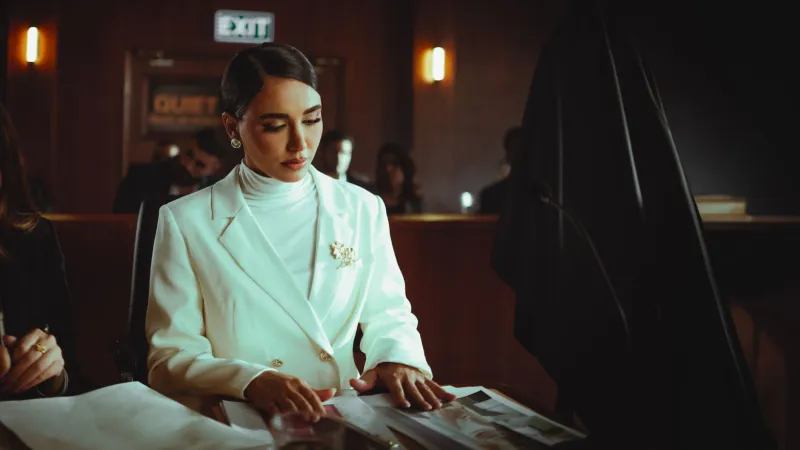
In the hierarchy of the American courtroom, the first chair gets the witness, the closing argument, and the handshake from the client. The second chair gets the binders, the exhibit lists, and — if she's shrewd — something far more valuable: a complete education in how a trial is actually won.
For women litigators, the second-chair seat has long carried an ambivalent reputation. It can signal a firm's genuine investment in developing trial talent, or it can function as a respectable-sounding way to keep a woman off the lead chair roster. The difference, according to litigators who have navigated both outcomes, lies less in the assignment itself and more in how it is structured, scoped, and leveraged.
The Apprenticeship Nobody Names
Trial skill is transmitted, not downloaded. Unlike transactional practice, where a junior lawyer can review a model agreement and approximate competence, courtroom judgment — when to object, when to sit down, which juror to watch during a key answer — is absorbed through repetition near the front of the room.
That is precisely what makes second-chair work so consequential. The lawyer in that seat watches jury selection unfold in real time, tracks how witnesses respond to different examination styles, and observes how a judge's patience rises and falls across a multi-week trial. No mock exercise replicates that exposure.
Several women trial lawyers interviewed for this piece described their second-chair experiences in similar terms: unglamorous, exhausting, and irreplaceable. One, a commercial litigator in Chicago who has since taken four cases to verdict as lead, described her first second-chair role as "the only honest trial education I ever got." She kept a notebook of every strategic decision her first-chair made — and every consequence. By her own account, that notebook did more for her first-chair readiness than any formal training program her firm offered.
Reading the Room, One Juror at a Time
The second chair's most underappreciated function is human intelligence gathering. While first chair is examining a witness, second chair is watching the jury — who is taking notes, who has disengaged, whose posture shifted when the damages figure hit the screen. In post-trial debriefs with jury consultants, that observational record often proves decisive.
This is also where the role builds a distinctive skill set. Women who have logged years in the second chair frequently emerge with unusually refined instincts for jury rapport and witness behavior — capabilities that translate directly into first-chair effectiveness. The point is not that women are naturally better observers; it is that the second chair builds competencies the first chair cannot fully develop while performing, and that those competencies compound.
When Second Chair Is a Dead End
The honest version of this story requires a warning label. A second-chair assignment becomes a trap when it repeats without progression — when the same lawyer sits in the same seat for the fifth consecutive trial, still excluded from strategy sessions, still denied the opportunity to examine even a single witness.
There is a discernible pattern in how this plays out for women. The assignment arrives framed as development, but the development has no milestones. No witness examinations. No argument on dispositive motions. No path, stated or implied, toward lead roles. When those elements are absent, the title is not an apprenticeship. It is a parking space.
A Framework for Saying Yes
Litigators considering a second-chair offer can evaluate it against four questions:
-
Will I examine a witness? Even one cross of a peripheral witness changes the calculus. A role with zero courtroom performance opportunities is observation, not training.
-
Am I in the strategy room? Second chair should include a seat at pre-trial strategy discussions, motion drafting, and witness preparation. If the role begins when the trial begins, the firm is staffing, not developing.
-
Is there a stated path to first chair? The strongest assignments come with an explicit conversation: this case prepares you to take the lead on the next one. Vague encouragement is not a path.
-
Who gets the credit? Ask how the firm will describe your role to the client and in marketing materials. Ambiguity here tends to favor the firm, not the lawyer.
Two or more weak answers suggest the seat deserves a counter-proposal — or a pass.
The Long Game, Played Deliberately
None of this romanticizes the structural problem: women remain underrepresented at first chair and, consequently, in the ranks of lead trial counsel. The deliberate second chair is not a substitute for firms building genuine pipelines to lead roles. It is a tactic for individual lawyers navigating the system as it exists.
Used well, the second chair is a claim on future authority — a documented, witnessed, client-visible record of courtroom competence. Used passively, it is years of work that accrue to someone else's origination credit. The women who have converted the seat into lead roles understood the difference early, negotiated for the components that mattered, and treated every trial as evidence for the argument they intended to make later: that the next case should be theirs to lead.